By Nat Warburton. An Open Access Resource for Researchers and Students Greetings to all researchers, students, and enthusiasts in the fields of zoology, functional morphology, wildlife biology, and palaeontology! I am thrilled to announce the publication of a comprehensive visual dataset titled Skeletal Atlas of the Echidna. This dataset is now available for open access…
Tag: anatomy
Numbat jaw muscles in 3D
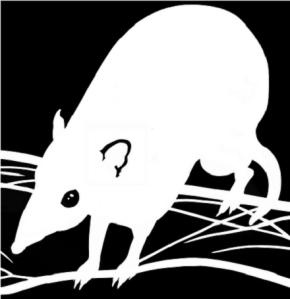
By Vanessa Thomas and Nat Warburton. Numbats are the only strictly termite-eating marsupials. They are endangered and only found in a few small areas of south-west Western Australia. Numbats have evolved a range of adaptations to collect their tiny prey, including a long snout, a very long stick tongue and powerful forelimbs with long claws…
Dingoes compared with wolves, ancient dogs and today’s pet dogs
By Colline Brassard and Trish Fleming. Dogs (Canis familiaris) are descendants of the grey wolf (Canis lupus). The earliest accepted dog remains date back to about 15,000 years ago. Although all dogs share this same ancestor, their life as human domesticates has led to considerable variation, and modern dogs are one of the most variable…
Australian diggers – strong-arm excavators and aerators of Australian landscapes
By Meg Martin. Digging marsupials play an especially important ecological role in Australian ecosystems by helping with soil turnover, nutrient mixing, seed dispersal and increasing breakdown of organic materials. Many of these species are highly specialised diggers – with strong forlimbs and long claws. Historically, the interactions between bones and muscle during behaviour has been…
 westernWEB